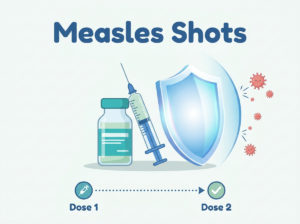

Measles is highly contagious and can spread through the air from breathing, coughing, or sneezing. Symptoms typically develop seven to 14 days after exposure and may include:
• High fever
• Cough
• Runny nose
• Red, watery eyes
• Small white spots inside the mouth
• A red, blotchy rash that usually begins on the face or hairline and spreads downward
“Tennesseans should talk with their health care providers about measles and appropriate prevention measures, including vaccination,” State Epidemiologist and Interim Health Commissioner Dr. John Dunn said. “Individuals who are vaccinated are less likely to become ill from an exposure to measles.”
People who are unsure of their measles vaccination status should contact their health care provider or local health department. Health care providers can review immunization records, discuss concerns and explain current recommendations.
Anyone who may have been exposed to measles should contact a health care provider promptly for guidance and notify the provider before arriving at a clinic, urgent care center, or emergency department. Calling ahead allows medical staff to make arrangements and prevent exposure to others.
Measles can cause serious complications, including pneumonia, brain swelling, hospitalization and death. Babies and young children, pregnant women, adults older than 20 and people with weakened immune systems may be at increased risk for complications.
More information about measles, vaccination and current public exposures is available on the TDH Measles webpage. Suspected measles cases should be reported immediately to TDH at 615-741-7247.